Featured
Table of Contents
If you're grieving, remember this: your despair reflects the depth of your connection. It's not something to "obtain over" but instead to relocate through, lugging your love and memories onward into a life that, while forever changed, can still hold meaning and pleasure.
Sorrow is an all-natural psychological reaction to loss. Regreting is a procedure that can assist you pertain to terms with a loss, such as when a loved one dies. Everyone experiences pain in different ways. Your experience of grief and just how you handle it will depend upon different factors. These might include your age, previous experiences with despair and your spiritual or spiritual sights.
Awaiting pain means sensation sad before the loss occurs. As opposed to regreting for the individual, who is still with you, you might really feel pain for the important things you won't get to do together in the future. When encountering a considerable loss, such as the fatality of a liked one, it is all-natural to feel several solid emotions.
This does not suggest you have surrendered on the person or that you do not care for them. People identified with an incurable ailment and those encountering the death of an enjoyed one might experience anticipatory sorrow. If you have actually been identified with a terminal disease, you might experience lots of feelings including shock, concern and despair.
The Role of IFS in Understanding Achievement Patterns
You grieve shed opportunities or experiences you'll miss even little ones, such as the pleasure of the sunlight or a hot mug of coffee. If someone you like is dealing with a terminal illness, it is typical to experience awaiting grief in the months, weeks and days prior to death. You may grieve the very same points your loved one is grieving, or various losses completely.
You may really feel awaiting pain If your liked one is perplexed or subconscious for a long period of time (e.g. with ecstasy or dementia). You may really feel that the individual you recognized is currently gone, even if they are still literally there. If your loved one has a decrease in physical wellness or mobility, you might really feel awaiting grief as you shed the chance to share experiences, such as leisure activities, holidays or events.
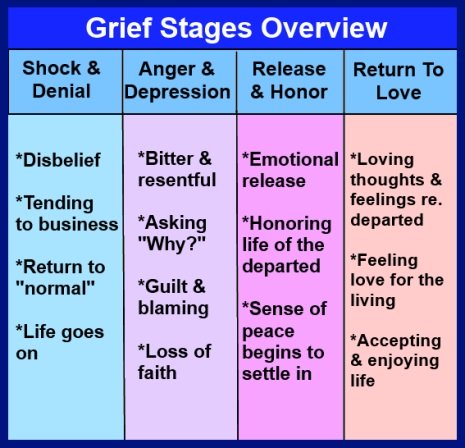
This is specifically true if you spend a lot of time taking care of the individual. You may miss out on activities you made use of to take pleasure in together and really feel pain about the adjustment in your partnership. The nature of your connection may alter as you take on a carer's function, or end up being the one being looked after.
Sensations of sorrow prior to death are typical it's important to acknowledge them, and to speak about them. Experiencing anticipatory despair does not necessarily mean that you will grieve your liked one any less after they are gone.
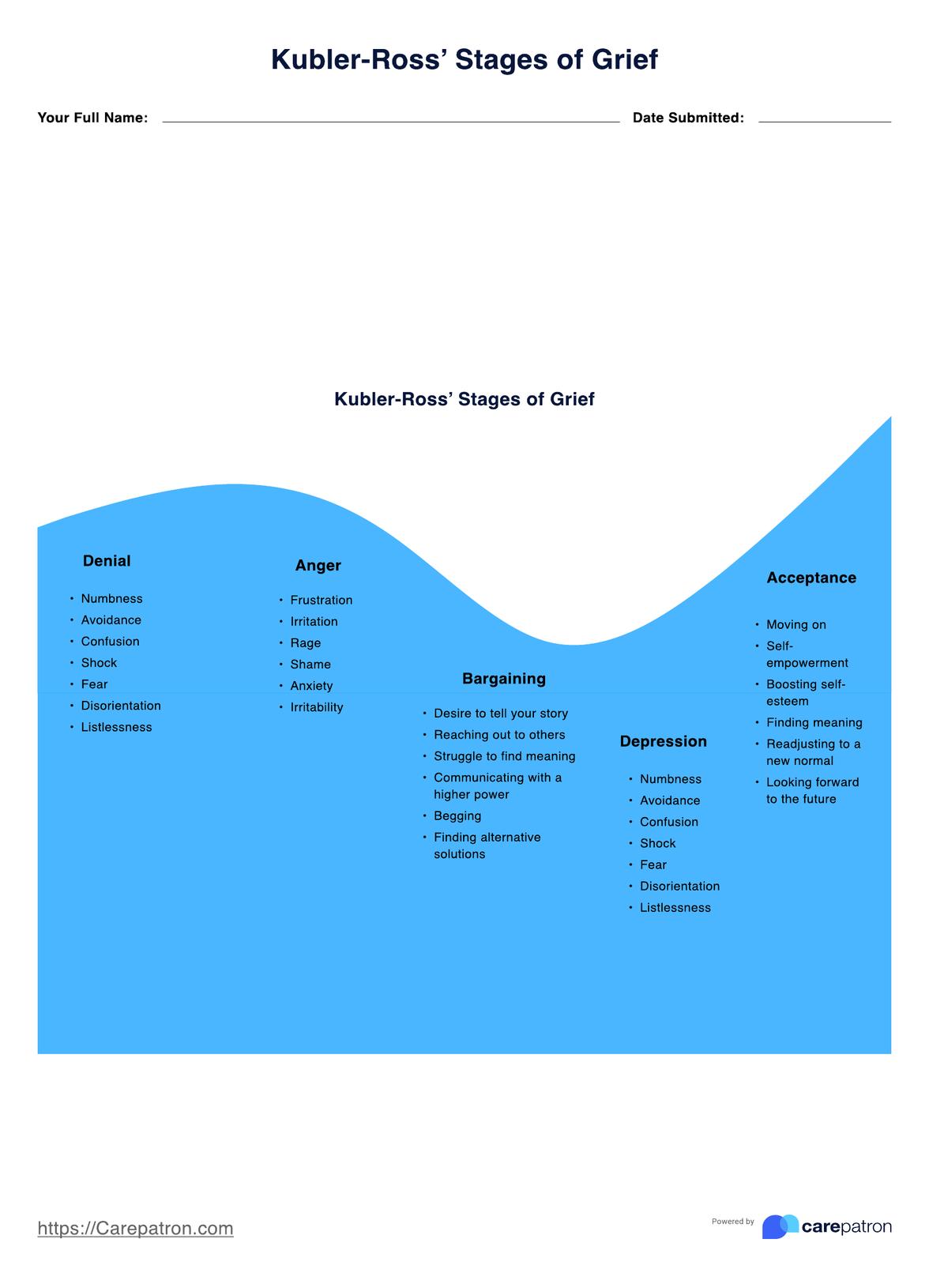
In reality, we do not experience feelings of sorrow one at a time or in a specific order. You may experience these things due to the fact that they are all typical feelings of grief.
Some people really feel numb after the fatality of an individual they cared about. If you experience this, it can be due to the fact that it's simply too hard to think that the individual you know so well is not coming back.
Developing a Career of Sustainable Success in the Sacramento Area
Maybe they promise themselves that they will certainly currently constantly do (or not do) something, thinking that it might make the person who has actually passed away come back. Individuals may additionally find that they maintain going back over the past and ask great deals of 'what if' questions, wanting that they could go back and transform things so that they could have turned out in a different way.
These feelings can be extremely extreme and agonizing, and they may reoccur over lots of months or years. Most individuals locate that unpleasant sensations like this become less strong over time. If you do not feel this holds true for you, then you need to request for aid.
Her model came to be widely approved as a means to recognize pain, but with time, pain counsellors and researchers increased upon it, leading to the growth of the. This extended design integrates extra psychological responses that people might experience: The preliminary response to loss often brings shock and shock. This stage functions as a protective device, allowing us to take in the truth of our loss in convenient doses.
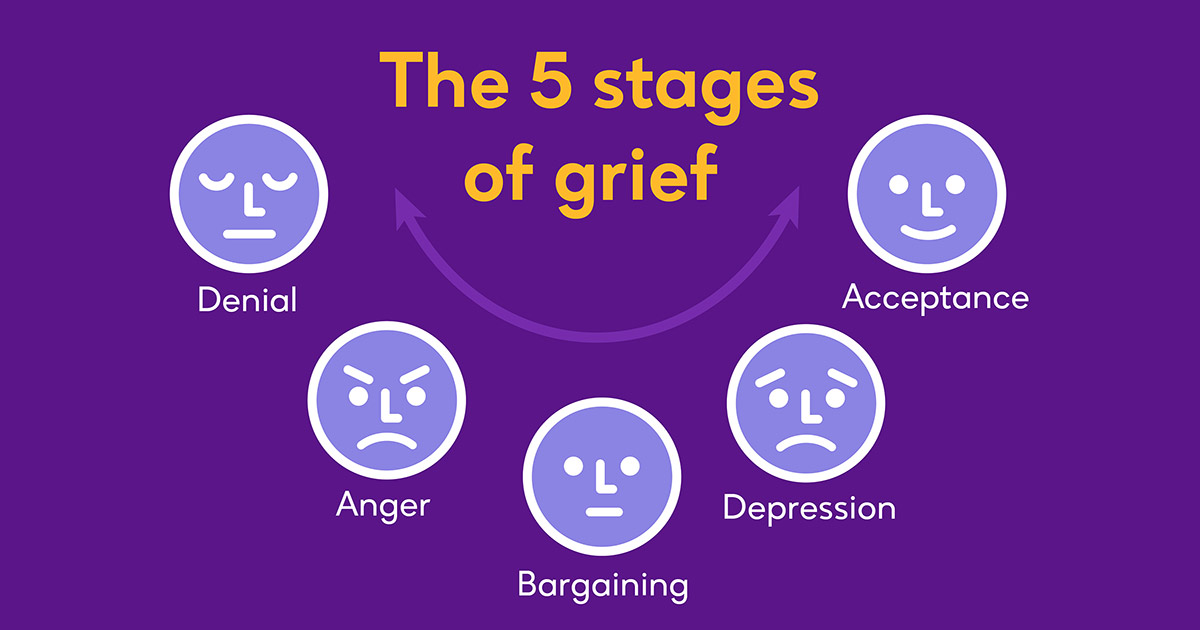
Feelings of regret or sense of guilt may arisewondering if you could have done something differently, or sensation sorrow over things left unexpressed. Pain can materialize as angertoward on your own, others, or also the individual who has passed.

Table of Contents
Latest Posts
When Neuroplasticity Informs Dialectical Behavior Therapy
Fostering Somatic Intelligence in PTSD Treatment and Eating Disorder Work at Lynnwood, WA
Young Adult OCD and Cognitive Behavioral Therapy
More
Latest Posts
When Neuroplasticity Informs Dialectical Behavior Therapy
Fostering Somatic Intelligence in PTSD Treatment and Eating Disorder Work at Lynnwood, WA
Young Adult OCD and Cognitive Behavioral Therapy