Featured
Table of Contents
Right here are three typical mistaken beliefs concerning regreting that we may think when we consider our own or somebody else's means of grieving: One of one of the most usual mistaken beliefs regarding regreting is that everyone goes with it in the same method. However as we have actually developed, grieving is an unique trip that is different for every person.
If you ever before discover yourself believing, "I'm doing it wrong," try reminding on your own that "there's no right or incorrect method of grieving."Additionally, there's no specific order for the phases of despair. Our very first emotional response to loss might be temper and anxiety. This does not imply that we're not grieving properly.
And our feelings can come in waves of strength. Many individuals get discouraged with themselves because they assume they're grieving as well long.
Grief is a challenging procedure that varies from individual to individual. The five phases of sorrow denial, temper, bargaining, clinical depression, and approval are a handy structure for thinking of despair, yet it doesn't suggest we'll undergo every stage. Similarly, we can experience these elements of despair at different times, and they do not occur in one particular order.
Reconnecting: From Fragmentation to Wholeness Through IFS

This website utilizes cookies to assist personalise web content, tailor your experience and to keep you visited if you register. By continuing to utilize this site, you are consenting to our use cookies.
The seven phases of pain are a layout for how an individual may grieve. This cyclical structure is implied to help you better recognize your sensations and is not planned to suggest how you must regret, what you must be feeling, or in which order. Everyone regrets differently. Each stage might reoccur or overlap the others.
Discover much more about the seven phases of grief. Grief can be a difficult and messy procedure.
How Attachment Healing Supports Balanced Achievement
That's due to the fact that no person can ever be really planned for a loss so considerable. As a result, when you remain in shock after a loss, you might act generally or as if absolutely nothing has occurred. Many of the time, this is due to the fact that your body has not processed the loss. You might really feel like the circumstance hasn't "sunk in" just.
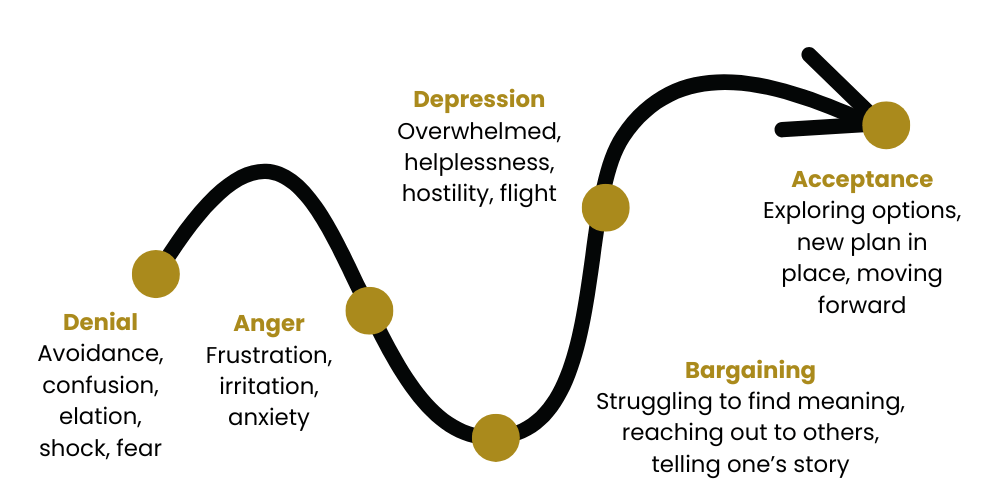
These sensations and experiences are self-protective mechanisms that function as a barrier to make sure that you are not bewildered at one time. Since the fatality of an enjoyed one can have such a considerable effect on you, you may experience denial. During this stage of pain, it is simply as well difficult for your brain to understand that your relative, close friend, or various other enjoyed one is gone.
Understanding the Influence of Intergenerational Trauma on Achievement
As you slowly start to approve the loss and what it suggests for your life currently, your rejection will certainly start to lessen. You might have a wider variety of sensations and emotions when denial subsides. Until after that, you might have periods when you really feel distressed, which can be activated by tips of your loved one.
In many cases, it's a typical feeling to wish to avoid others to ensure that you do not have to acknowledge or review your loss. Sometimes, you really feel forgetful, get conveniently sidetracked, or put things off during this phase of grief. You might additionally attempt to remain busy regularly or closed down mentally.
Achievement-Related Depression Behind the Appearance of Achievement
In certain circumstances, you could also feel angry with the medical care carriers, your close friends, member of the family, God, or any type of various other spiritual being(s) you count on. Under all that temper is your pain. While it may be uneasy to handle, it gives extra framework to your grieving than remaining numb.
During this phase, individuals often feel helpless and hopeless and ask themselves "suppose" questions. You might feel guilty for refraining from doing even more to maintain the loss from occurring or for not investing more time with the individual you lost. Throughout the negotiating stage, it's usual to wonder or state, "I need to have done this ..." or "If I had just done that ..." While these kinds of uncertainties are regular, they are not where you desire your mind to stay.
It may likewise be handy to do something specific, like write a letter to your loved one or talk to them out loud. When you come to terms with the truth of the loss, a much deeper level of sadness may start to creep in.
You can also see for a checklist of extra sources or call the number below to get to Drug abuse and Mental Health Providers Administration (SAMHSA) hotline. The testing phase of the grieving process frequently involves experimenting with different things that help you move ahead. In this stage, you are starting to construct your brand-new typical as well as refining your sensations and feelings developed by the loss.
Cultivating a Career of Meaningful Work in Los Angeles
Getting to the approval phase does not mean you are alright with what occurred. Instead, this component of the grieving procedure is a lot more regarding accepting what your life resembles now. You will certainly still require to listen to your feelings and change, but you will certainly start to feel more wholeeven if it looks different than it did previously.

Latest Posts
A Recovery Path Continues Today in Ashburn, VA
Healthy Boundaries for Medical Professionals After EMDR Therapy in Your Practice
Stress Healing at RI Wellness Retreats