Featured
Table of Contents
Equally as you 'd see a medical professional for a physical health and wellness problem, getting in touch with a mental health and wellness professional for emotional or emotional challenges is a wise, positive selection. If you're still undecided regarding whether treatment is appropriate for you, start with the 10 points no one informs you about beginning therapy or a few of the most often asked questions concerning therapy. Beyond the research study, treatment offers practical advantages that extend much past signs and symptom reduction.
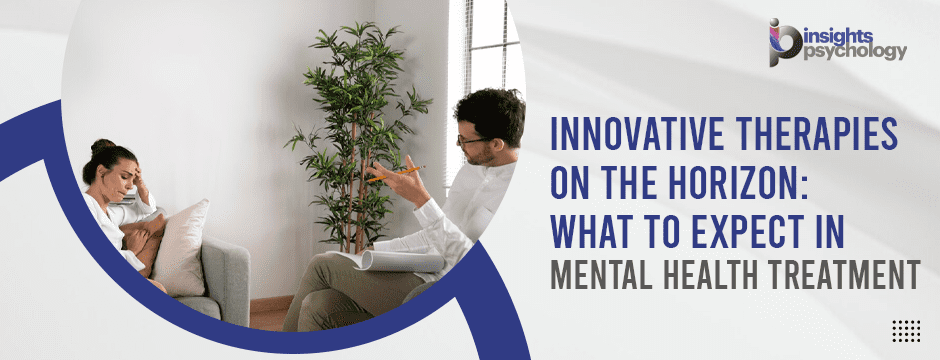
A specialist helps you make feeling of what you're feeling, using support and understanding that can be basing, specifically if you've been carrying things alone for a lengthy time. When you're in the center of anxiety or uncertainty, it can be tough to see the complete image. Specialists bring an outside perspective that isn't formed by your past, your relationships, or your assumptions of on your own.
Also if you're unsure, trying therapy does not dedicate you to anything permanent. Beginning treatment doesn't have to be overwhelming or take months.
Your specialist aids you mirror, make connections, and recognize on your own with even more quality. Depending on your goals, you may likewise learn dealing skills or techniques to use in between sessions. Most sessions end with a fast check-in to help you really feel based and gotten ready for the week in advance. That's completely normal.
Perfectionism Addressed Through Couples Therapy
Your therapist can likewise help figure out which technique fits best based on your goals and readiness. It's practical to comprehend the distinction in between inpatient vs. residential therapy, as well as inpatient treatment vs. outpatient treatment. Optimum treatment takes right into account a teen's specific demands and history, as well as their severity of their medical diagnosis.
Teenagers may obtain treatment first in an inpatient psychological wellness device of a health center, transfer to a residential setting, tip down to an outpatient program, and after that get weekly therapy and/or participate in support groups at a community teen mental wellness. Offered all these options, it can be hard for moms and dads to differentiate the difference, let alone recognize what their child requires to recuperate.
Building a Supportive Environment
Within those classifications are much more refined differences. Allow's have a look at the difference in between inpatient and residential therapy, along with inpatient vs. outpatient psychological health programs. The primary distinctions between inpatient vs. residential therapy are where it occurs, the length of keep, and the overall treatment objectives.

Typically, inpatient therapy is for teenagers that are in the intense stage of a mental health condition and require constant support. Thirty days is normally the optimum time for inpatient teen mental health and wellness therapy.
The Treatment Relationship in Couples Therapy
Some healthcare facilities offer drug abuse treatment too. Furthermore, a psychiatric hospital could have a specific device for eating problems. Generally, the objective of inpatient therapy is to support the individual and ensure they are not a threat to themselves or others. Complying with inpatient treatment, adolescents who need long-lasting care are commonly transferred to teen residential therapy, in some cases referred to as residential inpatient therapy.
residential therapy, it's practical to comprehend that household therapy concentrates on lasting healing rather than dilemma monitoring. Since teenagers remain for one to three months in residential treatment, there is even more time to deal with the origin of psychological wellness and behavioral concerns. We know that reaching out can be tough.
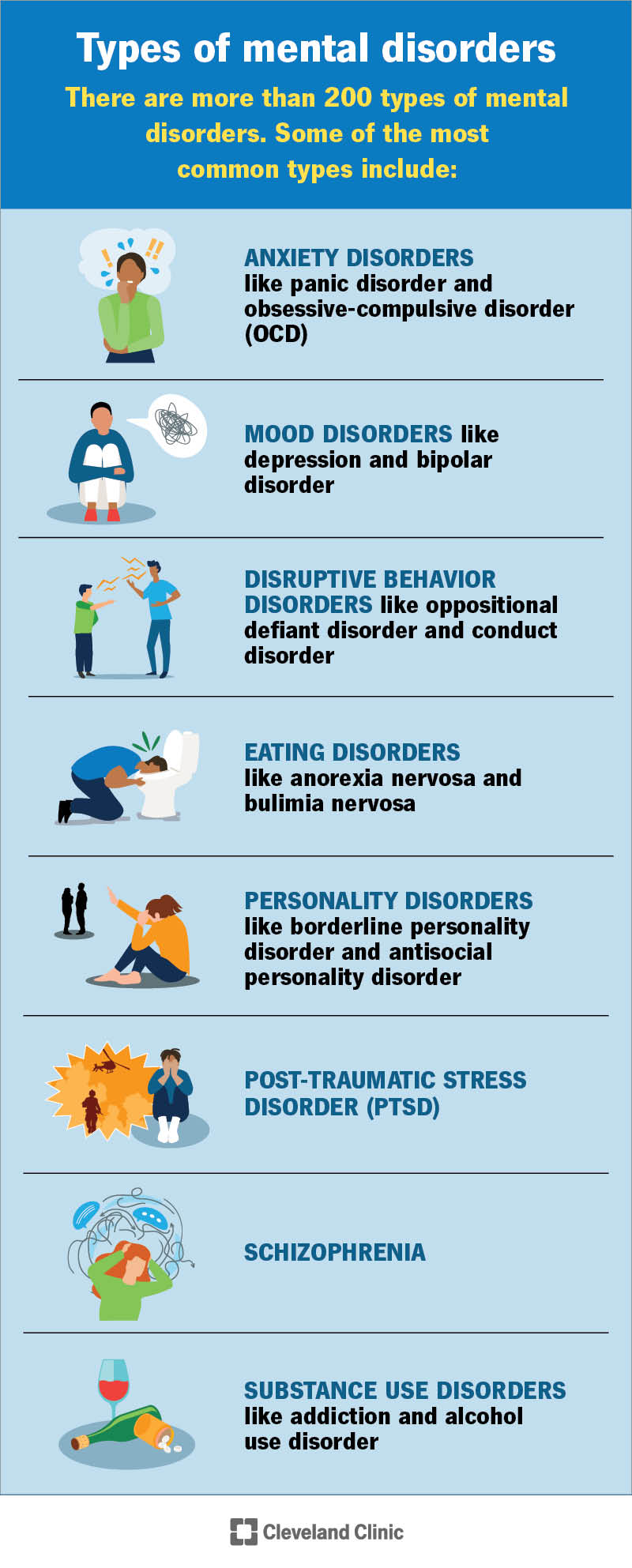
While in domestic therapy, customers live in a comfy, homelike setup and are overseen by qualified team. Staff participants consist of psychoanalysts, therapists, therapists, nurses, dietitians, and experiential therapy experts.
Importance of Relationships Alongside Couples Therapy
It's hard for moms and dads to send their kid away from home. Nevertheless, the long-lasting advantages of this selection can be life altering. Research study reveals that the structure and recurring assistance of a domestic program is one of the most effective means to attain long-term healing from clinical depression, anxiousness, injury, and co-occurring behavior concerns like drug abuse and self-harm.
When looking into psychological health alternatives, it's all-natural to begin the search close to home. The ideal mental health and wellness treatment for an individual's details medical diagnosis and needs may not be offered in your area.
Embodied Approaches for Mental Health
Within those classifications are more subtle differences. Allow's have a look at the difference between inpatient and property therapy, in addition to inpatient vs. outpatient mental health programs. The primary differences between inpatient vs. household therapy are where it occurs, the length of stay, and the general treatment goals.
Commonly, inpatient therapy is for teens that are in the intense phase of a psychological wellness condition and need continuous assistance. Thirty days is generally the maximum time for inpatient teen psychological health therapy.
Generally, the goal of inpatient treatment is to maintain the client and ensure they are not a risk to themselves or others. Following inpatient treatment, teenagers that require lasting care are usually moved to teen household treatment, sometimes referred to as household inpatient treatment.
residential therapy, it's practical to comprehend that domestic therapy focuses on lasting healing as opposed to situation administration. Because teenagers stay for one to 3 months in property care, there is even more time to resolve the root causes of psychological health and behavior problems. We understand that reaching out can be hard.
Freedom from Resentment Healing within Healing-Focused Eating Disorder
A household timetable for teenagers consists of clinical treatment, experiential tasks, and academics. While in property therapy, clients stay in a comfortable, homey setup and are supervised by trained personnel. Employee consist of psychoanalysts, specialists, therapists, registered nurses, dietitians, and experiential treatment experts. As we have actually seen, residential treatment is normally the following step in a teenager's recovery journey after inpatient treatment in a health center.
It's difficult for parents to send their child away from home. The long-lasting benefits of this option can be life transforming. Research study shows that the framework and continuous assistance of a domestic program is one of the most effective way to achieve long-lasting recuperation from depression, stress and anxiety, trauma, and co-occurring behavioral problems like drug abuse and self-harm.
When looking into psychological wellness alternatives, it's natural to begin the search close to home. The finest psychological health and wellness therapy for an individual's certain diagnosis and needs might not be available in your area.

Latest Posts
Incorporating Multiple Approaches in Mental Health Care
Parameters and Mental Health
Developing Self-Acceptance for Innate Variation